Warm Steps, Open Arms: Afternoon Partner Dancing for Everyone

Today we’re exploring inclusive partner-dance etiquette for welcoming afternoon gatherings, where sunlight softens nerves and kindness sets the rhythm. Expect practical guidance, gently told stories, and affirmed boundaries so newcomers, seasoned dancers, and mixed-ability partners feel safe, respected, and joyfully invited to move together with ease, curiosity, and genuine delight.

Flow, Space, and Safety

Mark a clear line of dance for traveling styles and create gentle passing lanes so slower movers, wheelchair dancers, and beginners feel secure. Keep bags off the floor, ensure good traction, and provide resting spots. Encourage mindful navigation: look before reversing, leave space for canes or mobility aids, and prioritize collective safety over ambitious figures.

Sensory-Friendly Choices

Afternoon light is kind, yet can glare; diffuse it with curtains and avoid flashing effects. Keep volume balanced for conversation while maintaining musical clarity. Offer a low-scent environment, fragrance-free soaps, and ventilation. Provide earplugs, extra seating near exits, and clear announcements. A sensory-considerate room empowers nervous newcomers to stay, relax, and find their rhythm.

Welcoming Hosts and Clear Signals

Greeters and floor ambassadors set the tone by introducing house guidelines, demonstrating invitation etiquette, and modeling role flexibility. Provide optional pronoun and role stickers, explain them without policing, and offer help discreetly. A calm, visible host who notices barriers, solves issues kindly, and invites feedback turns hospitality into an effortless, ongoing conversation.

Inviting and Declining with Grace

Kind invitations create trust, especially in relaxed daytime socials where people mix across ages, roles, and abilities. Ask clearly, accept answers without question, and celebrate varied partnerships. Let consent lead: a single polite no needs no justification. This shared courtesy reduces anxiety, prevents awkwardness, and keeps the floor light, friendly, and genuinely welcoming.

Asking to Dance Clearly and Kindly

Approach with an open smile, an arm’s-length distance, and a simple question: “Would you like to dance?” Avoid assumptions about roles, ability, or experience; offer your preferred role but welcome alternatives. If someone declines, thank them cheerfully. Clear, respectful invitations transform quick encounters into small moments of dignity, trust, and authentic connection.

Hearing and Accepting No

A no safeguards comfort and energy, whether due to pain, overwhelm, rest needs, or preference. Resist asking why, negotiating, or showing disappointment. Offer a friendly nod and step back. When refusals carry no social penalty, people feel freer to say yes later, knowing their boundaries were honored without pressure, performance, or second-guessing.

Language, Roles, and Respect

Words shape comfort. Choose language that welcomes all genders and bodies, and treat leading and following as skills anyone can enjoy. Clarify that role choice belongs to each dancer, every song. By speaking carefully and with curiosity, we dissolve old assumptions and invite more people to find themselves fully at home on the floor.

Partnering Across Different Bodies and Abilities
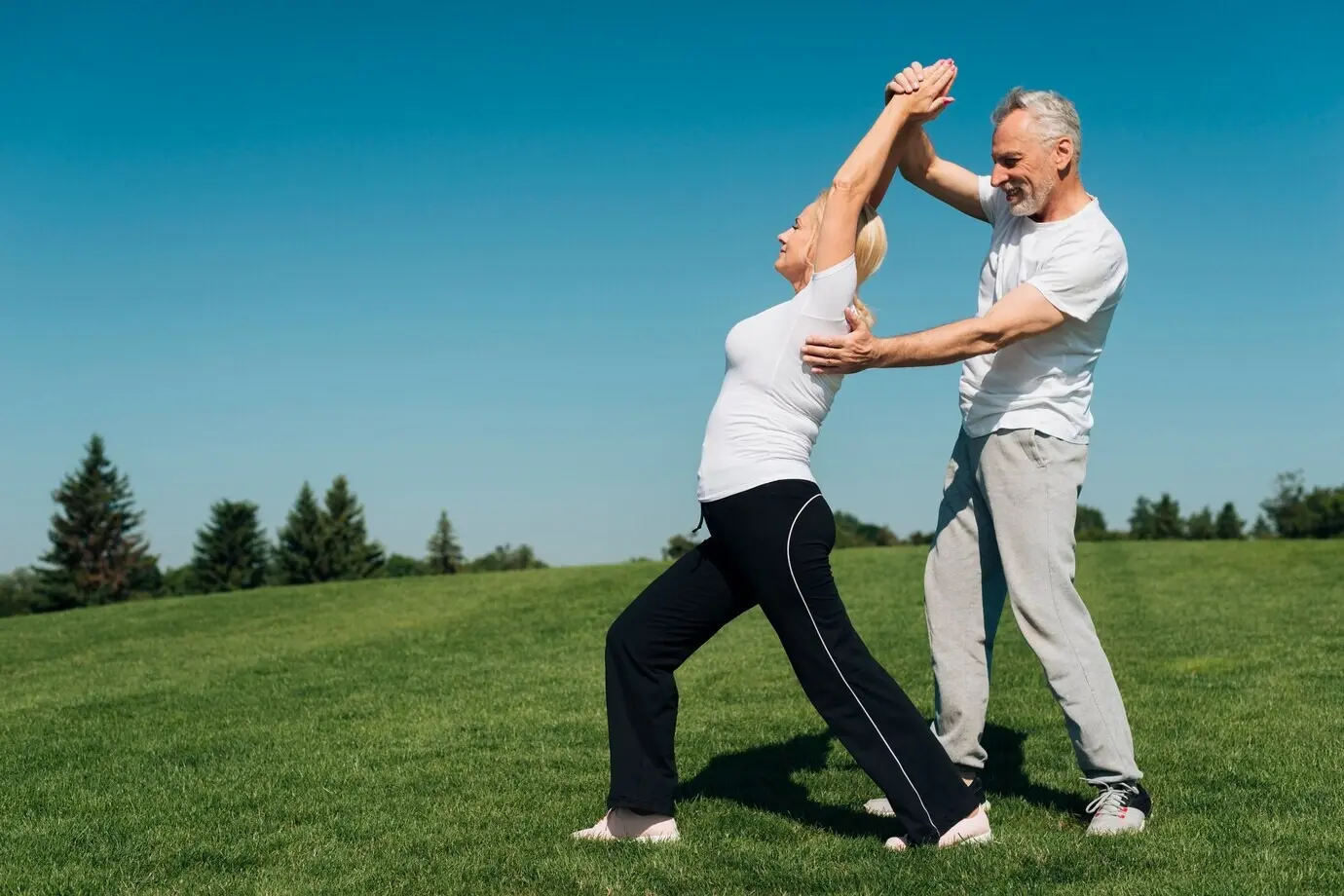
Inclusive afternoons welcome wheelchairs, canes, braces, neurodiversity, chronic pain, and differing stamina. Adapt figures, tempos, and frames to the partnership you have, not the one you imagined. Celebrate creative pathways—short steps, seated swivels, rhythmic claps—while maintaining clear consent. Accessible artistry proves that musicality is limitless when kindness leads every choice.

Consent for Closeness

Before moving into closer connection, ask first: “Comfortable with a closer hold?” If hesitant, keep space and continue with friendly clarity. Consent can change moment to moment—check in again after transitions. When closeness is volunteered rather than assumed, dancers relax, technique flows, and the music becomes a safe meeting place.

Respectful Touch and Variations

Use hand-to-hand contact as a baseline, then negotiate torso contact, hip-led movements, or dips only with explicit agreement. Avoid pressing on sensitive joints or backs. If a figure feels unstable, slow down or simplify. Respectful touch lets expression expand responsibly, preventing surprise and turning improvisation into mutual, attentive artistry.

Aftercare and Gentle Exits

When a dance ends, a simple thank-you affirms shared effort. If something felt off, offer a kind check-in: “Was that hold okay?” Allow graceful exits without post-mortems. Aftercare is small yet powerful—compassion applied after motion—so the memory of each song carries ease instead of tension or confusion.

Community Culture, Repair, and Growth

No room is perfect, but afternoon socials can model patient repair. Post clear guidelines, invite feedback, and intervene early with empathy. Teach micro-adjustments: a word, a gesture, a step back. Consistency builds safety; gentle accountability fosters learning. Together, we replace defensiveness with curiosity and create traditions that genuinely welcome difference.

Naming Harm Without Shaming

When discomfort arises, keep voices soft and goals specific: describe behavior, impact, and desired change. Avoid public callouts unless safety demands it. Offer a reset and support. Repair thrives in dignity-preserving conversations, where everyone remains human and solutions focus on making the next dance kinder and more skillful.

The Organizer’s Quiet Supports

Provide a visible contact person, written conduct guidelines, and private reporting channels. Train volunteers in de-escalation and disability etiquette. Keep backup strategies for overcrowding, ventilation, or unexpected access needs. Quiet supports rarely draw applause, yet they uphold a floor where confidence grows and gratitude hums through every chorus.
Stories from Sunlit Floors

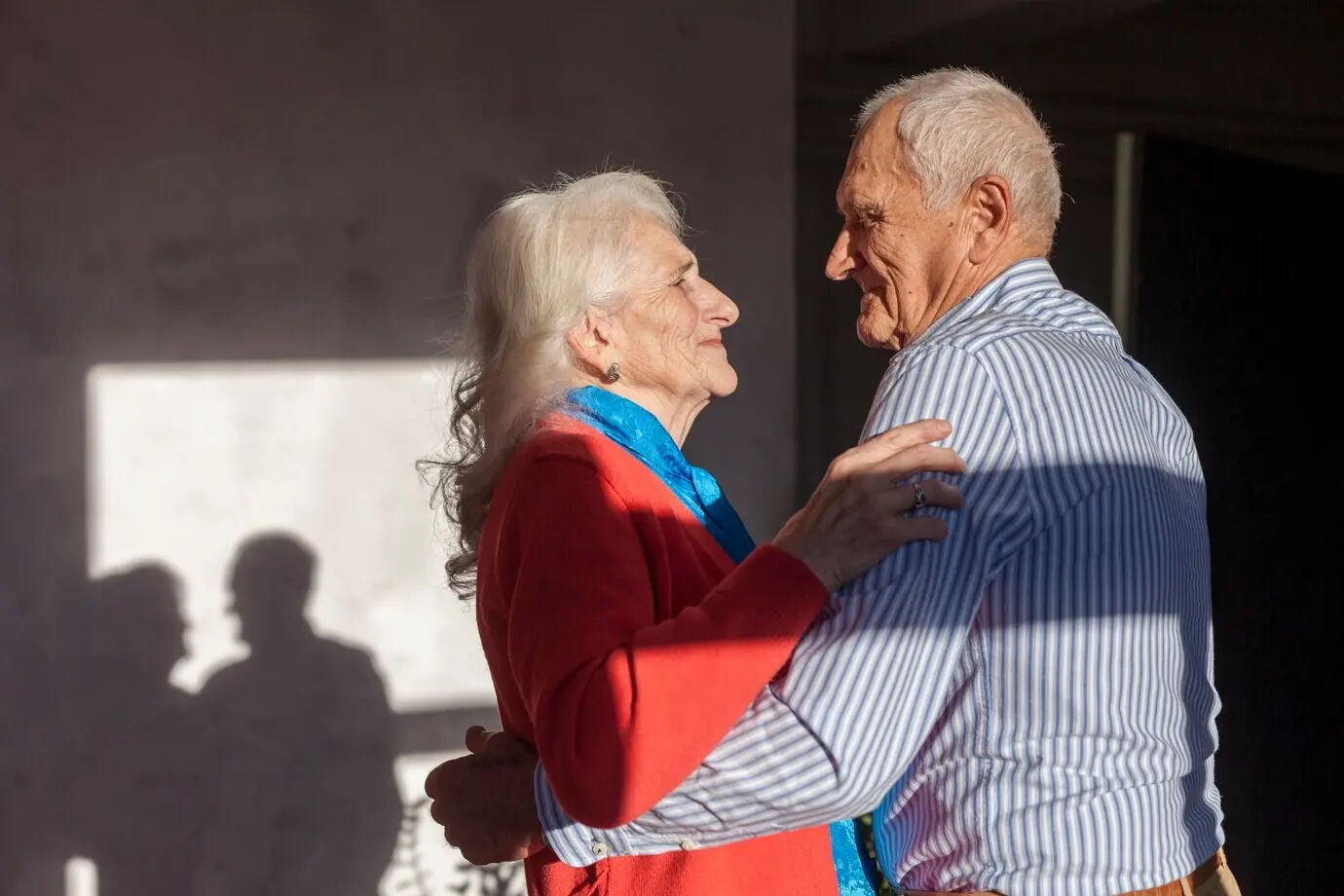
Narratives teach faster than rules. Afternoon gatherings sparkle with vignettes where small etiquette choices transform experiences—an offered seat, a gentle decline, a shared laugh after a tangled foot. These stories anchor principles in memory, making best practices feel like natural habits rather than stern instructions or abstract ideals.

A First Afternoon of Belonging

A newcomer arrived gripping a tote like armor. A host offered tea, a pronoun sticker, and a slow, friendly foxtrot. Three dances later, the tote rested on a chair, and their smile lifted the room. Invitation etiquette turned an anxious hello into radiant ease.

An Accessibility Win That Sparkled

When sunlight flared through high windows, a volunteer drew curtains and lowered music slightly. A wheelchair dancer and a standing partner tried a simple traveling pattern, marking turns with a fingertip pulse. Applause rose naturally, not performatively, as people recognized how thoughtful adjustments unlock genuine, shared artistry.

When a Misstep Became Understanding

A leader assumed a close hold; the follower tensed. They paused, reset, and asked, “More space?” The dance softened, connection brightened, and both finished grinning. Repair wasn’t dramatic, just deliberate. Moments like this teach that etiquette lives in micro-choices repeated with care and humility.

Keep the Conversation Moving

Inclusive etiquette grows through shared practice and community wisdom. Invite comments, swap tips, and ask questions about tricky moments. Host skill-shares, role-rotation labs, and accessibility walk-throughs. When learning becomes social, improvement accelerates and joy compounds—turning a welcoming afternoon into a lasting, supportive rhythm for every dancer who joins.

Share Your Practices and Questions

Tell us what’s working in your space, from signage and seating to invitation scripts and music pacing. Ask for feedback on puzzles. Collective insight saves time and prevents avoidable harm, letting more rooms feel immediately friendly, beautifully functional, and ready for spontaneous, respectful partnership.

Volunteer, Shadow, and Learn

Offer an hour at check-in, shadow a floor ambassador, or help run a quiet corner. Volunteer roles reveal invisible needs and practical solutions. The more hands steward culture, the more dependable it becomes—welcoming afternoons don’t happen by accident; they’re built through steady, shared care.

Subscribe and Stay Connected

Join our updates for fresh checklists, story spotlights, and playlists suited to sunny socials. Reply with your challenges or wins, and we’ll weave them into future guidance. Ongoing dialogue turns etiquette into a living practice that adapts, deepens, and keeps dancers returning with bright anticipation.
Lifozovomafuzi
Privacy Overview

This website uses cookies so that we can provide you with the best user experience possible. Cookie information is stored in your browser and performs functions such as recognising you when you return to our website and helping our team to understand which sections of the website you find most interesting and useful.