Dress Codes and Décor for Unforgettable Vintage Dance Afternoons
Choosing an Era and Mood
Era Snapshots: 1920s to 1960s
Use quick, friendly handouts or a welcome board that sketches hallmark elements: 1920s drop waists and Charleston fringes; 1930s bias cuts and elegant foxtrot poise; 1940s swing suits and strong shoulders; 1950s full skirts and rockabilly verve; 1960s mod lines and playful pops. Map each era’s social dances, typical tempos, and signature accessories. Encourage creative mixing within a shared palette, so guests can express themselves while echoing the chosen period’s spirit and effortless grace.
Mood Boards that Move
Create a living mood board that prioritizes movement, factoring in fabrics that glide, shoes that pivot, and accessories that won’t snag in close hold. Pin color palettes inspired by antique postcards or record labels, rather than rigid dress prescriptions. Include lighting ideas, centerpiece sketches, and signage examples to unify the space. Add notes on comfort: breathable layers, discreet sweat cloths, and quick-fix kits. The board should feel like an invitation to dance, not a museum exhibit demanding absolute historical precision.
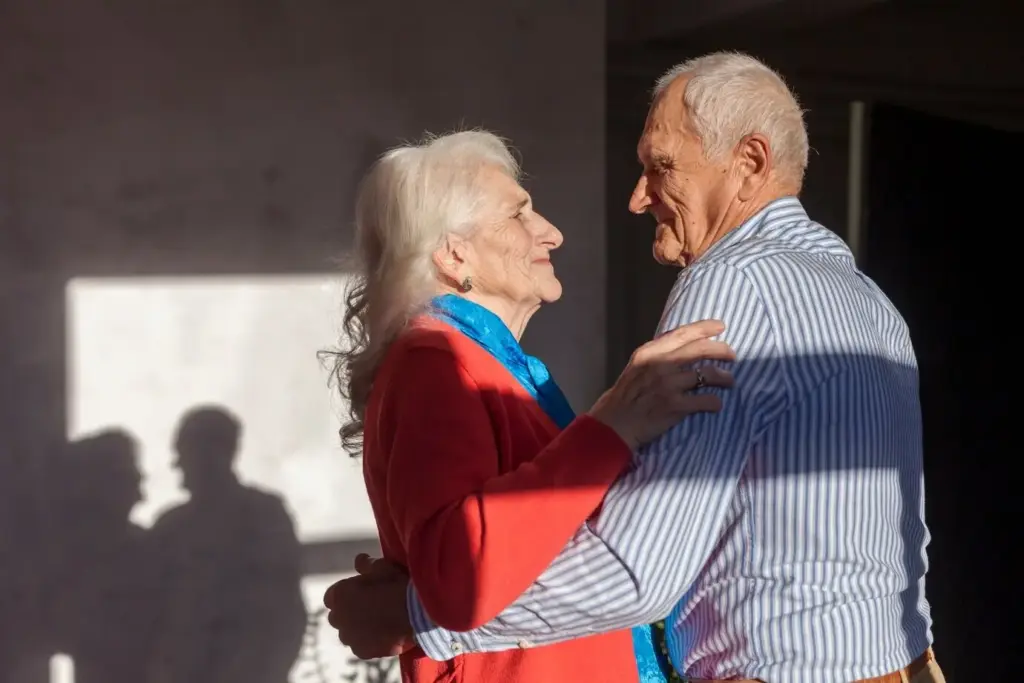



Coordinated Dress Codes that Welcome Everyone
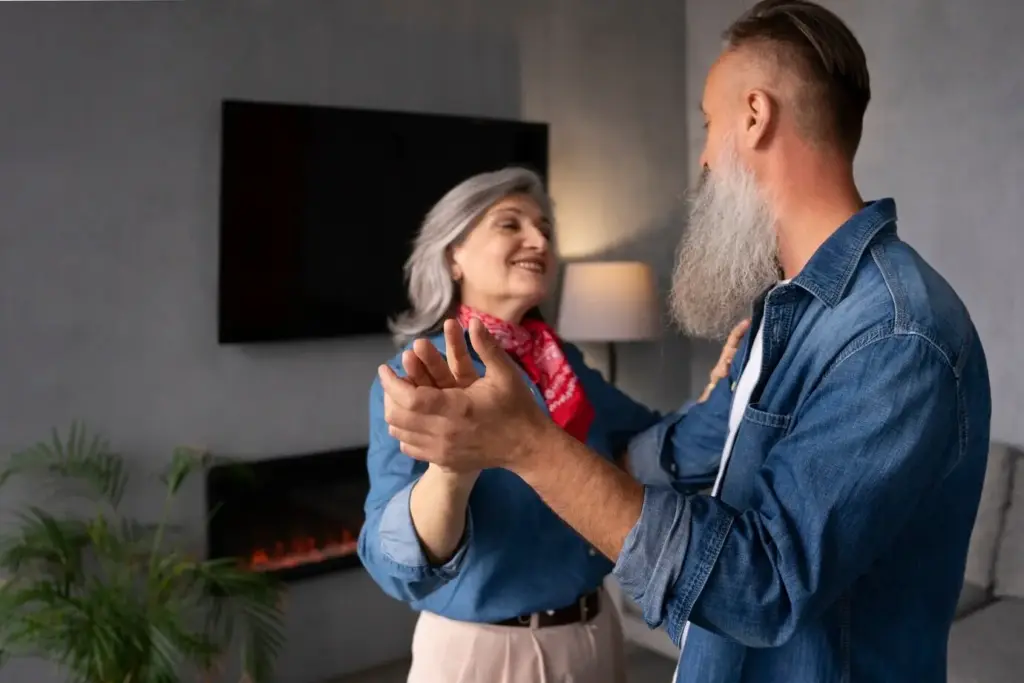

Décor that Sings with the Music
Music, Lighting, and Flow

Etiquette, Inclusion, and Accessibility
Anecdotes from the Floor
Photo and Video Without Distraction
Keep the Conversation Dancing

All Rights Reserved.