Dress Codes and Décor for Unforgettable Vintage Dance Afternoons

Today we dive into planning coordinated dress codes and décor for vintage-style dance afternoons, bringing eras like the 1920s, 1940s, and 1950s to life with welcoming style. Expect practical wardrobe guidance, scene-setting details, music flow, and etiquette that supports comfort, confidence, and joyful movement. We pair aesthetics with accessibility, ensuring every guest finds an easy on-ramp to participate. Join the conversation, share your favorite looks, contribute playlist gems, and help craft gatherings that feel lovingly curated yet relaxed, generous, and deeply social.

Choosing an Era and Mood

Begin by deciding which historical accents will guide your afternoon’s look and feel, focusing on silhouettes, textures, and rhythms that inspire dancing rather than restricting it. Consider whether breezy tea-time elegance, swanky supper-club polish, or open-air garden charm best matches your venue and timeline. Build a visual reference list, collect fabric swatches, and note movement-friendly cuts. Keep comfort central as you refine colors, lighting, and decor accents, helping both newcomers and seasoned dancers instantly understand the atmosphere without feeling pressured or overly costumed.

Era Snapshots: 1920s to 1960s

Use quick, friendly handouts or a welcome board that sketches hallmark elements: 1920s drop waists and Charleston fringes; 1930s bias cuts and elegant foxtrot poise; 1940s swing suits and strong shoulders; 1950s full skirts and rockabilly verve; 1960s mod lines and playful pops. Map each era’s social dances, typical tempos, and signature accessories. Encourage creative mixing within a shared palette, so guests can express themselves while echoing the chosen period’s spirit and effortless grace.

Mood Boards that Move

Create a living mood board that prioritizes movement, factoring in fabrics that glide, shoes that pivot, and accessories that won’t snag in close hold. Pin color palettes inspired by antique postcards or record labels, rather than rigid dress prescriptions. Include lighting ideas, centerpiece sketches, and signage examples to unify the space. Add notes on comfort: breathable layers, discreet sweat cloths, and quick-fix kits. The board should feel like an invitation to dance, not a museum exhibit demanding absolute historical precision.
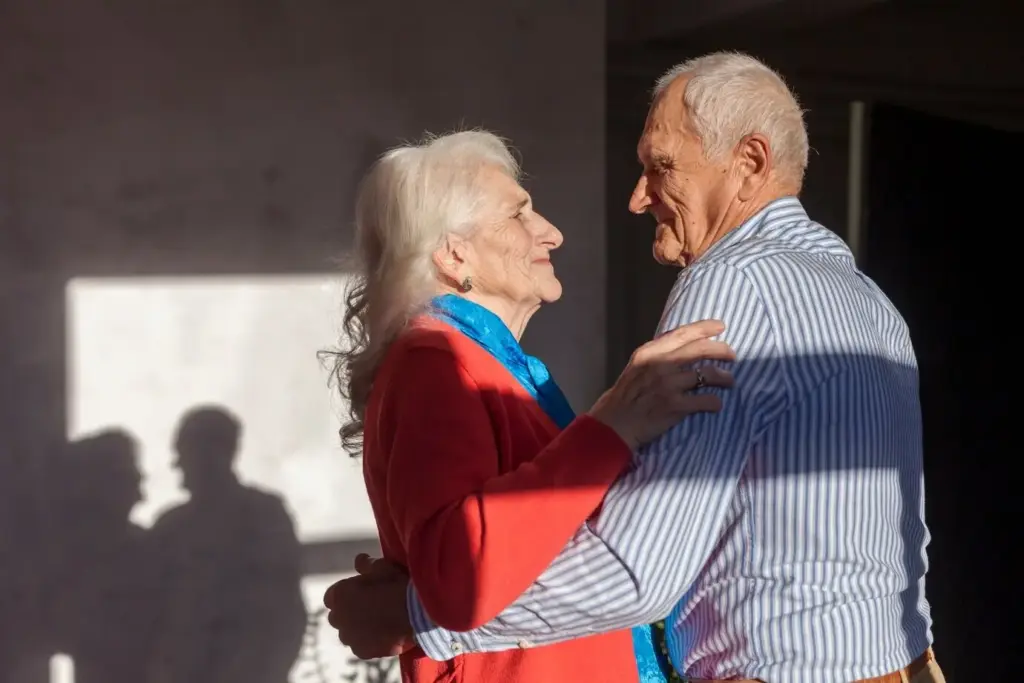

Coordinated Dress Codes that Welcome Everyone
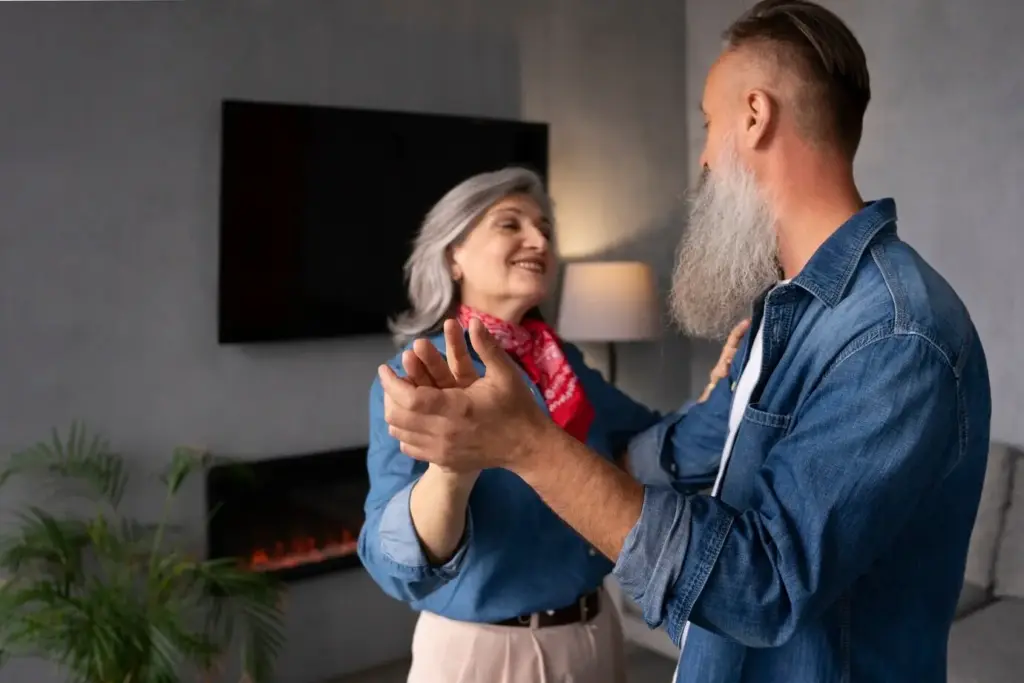
Provide clear, friendly guidance that encourages participation without gatekeeping. Offer a color palette, silhouette suggestions, and optional accessories, plus thrifty sourcing tips and local rental leads. Celebrate creativity by suggesting mix-and-match solutions that honor the era while respecting personal style. Include budget-conscious ideas and gender-expansive options, emphasizing role-neutral language and freedom to choose. Encourage small touches—handkerchiefs, pocket squares, hair scarves—that instantly signal the vibe. A welcoming dress code should spark excitement, reduce anxiety, and make stepping onto the floor feel effortless and fun.

Décor that Sings with the Music

Transform the venue through tactile, memory-rich details that accent the music’s character. Consider bunting, pennant flags, or paper fans that sway as couples pass. Use cafe tables with lace runners, framed dance cards, and centerpieces made from vintage records or sheet music reproductions. Warm bulbs, shaded lamps, and soft uplights create flattering tone and clear sightlines. Add a photo nook with era cues and a signboard for song requests. Every touch should invite conversation, celebrate storytelling, and make twirls feel timeless and welcoming.

Music, Lighting, and Flow

Curate a sequence that maps from welcome tea to lively peak and gentle farewell. Blend tempos so beginners find easy entries while experienced dancers enjoy dynamic variation. Consider a DJ who knows classic recordings, or a quartet that loves elegant standards. Keep volume friendly for conversation, reserving brighter lights for teaching moments and warmer pools for social dancing. Publish a simple running order, including breaks. Good flow keeps hearts light, feet safe, and the energy buoyant, helping even shy guests feel carried by the room’s rhythm.

Etiquette, Inclusion, and Accessibility

Kindness is the cornerstone of memorable afternoons. Use role-neutral invitations, encourage clear consent, and normalize friendly declines. Offer pronoun pins, quiet corners for sensory breaks, and wide pathways for mobility devices. Provide temperature management options, water stations, and seating near exits. Publish a short code of conduct that celebrates respect and curiosity. Adapt steps for different bodies, and highlight staff who can help. An environment that prioritizes dignity and welcome lets every accessory, playlist, and lampshade shine brighter, because people feel seen, safe, and joyfully included.

Anecdotes from the Floor

Invite guests to share tiny moments: a grandmother’s brooch sparking conversation, a spontaneous foxtrot blossoming from a favorite bridge, a borrowed bow tie saving the day. Collect these stories on cards or a voice note station. Highlight one each week in your newsletter. Personal memories validate the planning effort, teach newcomers what to expect, and anchor each gathering in a sense of place. Over time, these vignettes become the soul of the series, reminding everyone why they dress up and step out.

Photo and Video Without Distraction

Set guidelines that keep the dance central: designated photo windows, a discrete backdrop corner, and a volunteer who coordinates group shots between sets. Encourage respectful framing and consent before close-ups. Avoid flashes that flatten mood or surprise partners mid-turn. Offer a shared upload link and a simple tagging scheme for easy browsing later. Good documentation multiplies joy, but the live experience remains primary. When handled gently, cameras amplify community pride without stealing attention from the music’s irresistible pull.

Keep the Conversation Dancing

Nurture continuity with polite follow-ups: a recap message, links to playlists, a sourcing list for accessories, and gratitude for volunteers. Invite replies with requests for eras to explore, décor experiments to try, and comfort upgrades to test. Offer a sign-up for early ticket notices and collaborative planning sessions. Encourage guests to trade garments, share pattern resources, and mentor newcomers. Ongoing dialogue transforms a single afternoon into an evolving circle of friends, where each detail grows richer, kinder, and more gracefully coordinated.
Lifozovomafuzi
Privacy Overview

This website uses cookies so that we can provide you with the best user experience possible. Cookie information is stored in your browser and performs functions such as recognising you when you return to our website and helping our team to understand which sections of the website you find most interesting and useful.