Move Into the Morning: Brighter Lives Through Dance

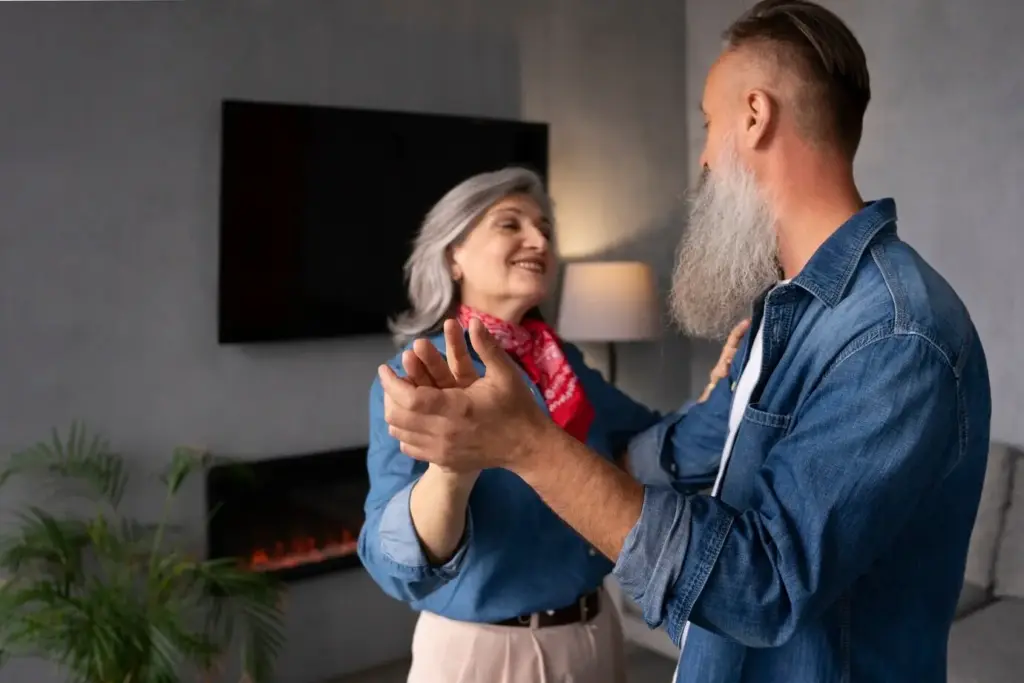
Join us as we explore the health and wellbeing benefits of daytime dance events for older adults, from improved balance and heart health to sharpened memory, elevated mood, and renewed social connection. Gentle daylight sessions welcome all abilities, celebrate personal stories, and turn ordinary mornings into energizing moments of joy.

Circadian Rhythm in Motion

Morning and midday movement nudges the internal clock toward steadier patterns, which many older adults report as fewer mid-afternoon slumps and more restorative nights. Paired with music, this timing gently elevates energy without overstimulation, leaving participants pleasantly tired rather than wired by evening.

Visibility and Confidence

Sunlit studios reduce glare and shadows that can confuse depth perception. Clearer sightlines support surer steps, faster partner cues, and easier reading of instructor gestures. Confidence rises, anxiety falls, and the body follows with freer range, better posture, and safer turns.

Friendly Schedules and Transit

When events begin after morning routines but before dusk, arrival feels relaxed, rides are simpler, and caregivers or friends can accompany without stress. This logistical ease, repeated weekly, builds reliable participation, which multiplies health gains by turning occasional fun into lasting practice.

Why Daylight Works So Well

Holding dance gatherings in daylight aligns movement with natural circadian rhythms, boosting alertness, stabilizing mood, and supporting better sleep later. Brighter rooms improve visibility and confidence, public transport is easier, and schedules feel friendlier, turning attendance into a consistent habit that nourishes body and spirit.

Balance, Strength, and the Gentle Sweat

Sharp Minds, Joyful Memory

Learning sequences stimulates attention, working memory, and spatial reasoning while music wakens emotional recall. Daytime practice, free from late-night fatigue, helps new patterns stick, nurturing confidence and a playful curiosity that spills into puzzles, conversations, and daily problem-solving.

Choreography as Brain Gym

Following counts, directions, and partnering cues integrates multiple brain networks simultaneously. Mistakes are welcomed as learning moments, dissolving fear of failure and replacing it with laughter, repetition, and persistence—the same ingredients that support cognitive resilience in reading, finances, and technology use.

The Music–Memory Bridge

Familiar songs can summon names, places, and feelings that seemed out of reach, inviting gentle conversation and renewed connection. Even when steps are simplified, the emotional spark remains, motivating consistent attendance that further strengthens recall and the confidence to share stories.

Attention Without Overwhelm

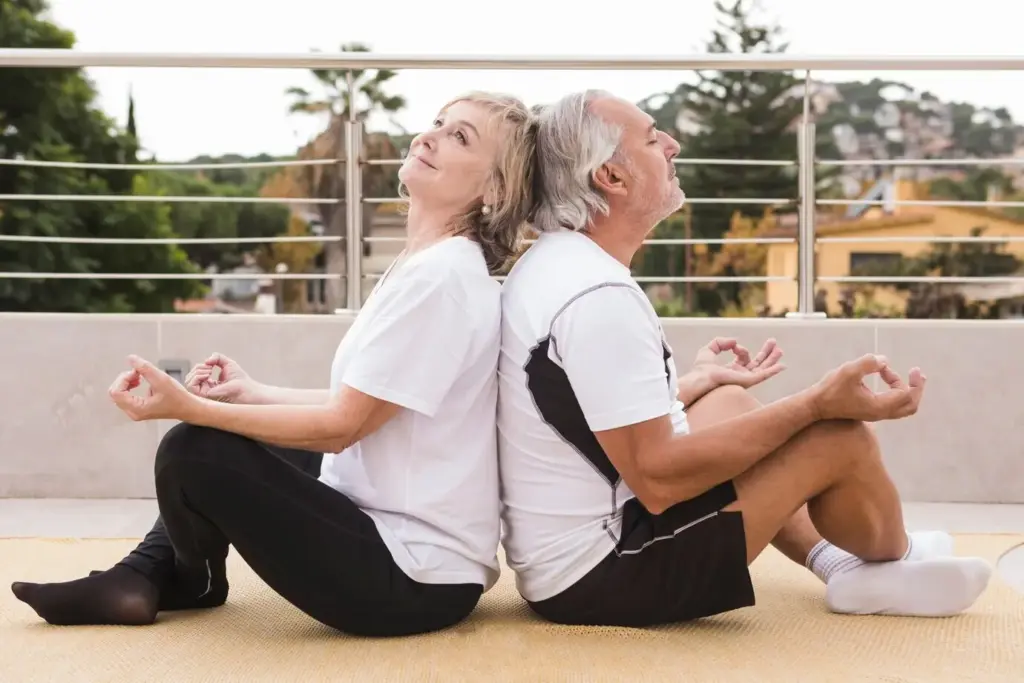
Daytime sessions avoid harsh lighting and late-hour fatigue that can fray focus. Clear pacing, visual cues, and frequent breath breaks keep the mind engaged yet calm, creating a sweet spot where learning feels achievable, dignified, and genuinely enjoyable for everyone present.

From Hello to Belonging

Icebreakers, line dances, and simple call-and-response patterns create easy entry points for newcomers. People who once felt shy discover a place where their presence matters, and they begin arriving early, lingering after, and inviting neighbors who need company and movement too.

Caregivers Find Breathing Room

Daytime scheduling allows caregivers to accompany, participate, or simply rest nearby while trusted instructors guide the session. Shared joy replaces the clinical feeling of appointments, turning care into connection and giving both parties renewed energy for the week ahead.

Designed for Comfort and Safety

Room Setup That Cares

Non-slip floors, gentle lighting, sturdy chairs, and obvious exits communicate safety before the music even begins. Instructors demonstrate options, spot tricky transitions, and encourage pauses, so everyone can listen to their body without embarrassment and still remain part of the group.

Adaptive Moves for Every Body

Non-slip floors, gentle lighting, sturdy chairs, and obvious exits communicate safety before the music even begins. Instructors demonstrate options, spot tricky transitions, and encourage pauses, so everyone can listen to their body without embarrassment and still remain part of the group.

Hydration, Breath, and Breaks

Non-slip floors, gentle lighting, sturdy chairs, and obvious exits communicate safety before the music even begins. Instructors demonstrate options, spot tricky transitions, and encourage pauses, so everyone can listen to their body without embarrassment and still remain part of the group.

From First Step to Lasting Practice

Starting small builds sustainable momentum. Choosing one or two weekly daytime sessions, setting a buddy reminder, and keeping a simple journal of feelings and milestones turns occasional participation into a cherished ritual that enriches health, mood, and purpose.

Your First Class Checklist

Wear comfortable layers, supportive shoes, and curiosity. Eat a light snack, bring water, and arrive a little early to meet the instructor. Share any concerns, pick a friendly spot near the door, and let the music handle the introductions.

Motivation That Actually Sticks

Link your session to enjoyable routines: coffee with a friend afterward, a favorite park on the way home, or a playlist saved for stretching. Reward consistency, forgive lapses, and remember that small, repeated wins reshape identity more powerfully than occasional heroics.

Tracking Progress With Heart

Instead of only counting steps, notice changes in mood, sleep, and confidence. Capture little victories like steadier stairs or deeper breaths after songs. These felt markers keep motivation compassionate and real, especially on slower days when numbers alone might discourage.

Stories That Keep the Music Playing

Personal moments reveal what statistics cannot. Each shared success lights a path for someone hesitant to try. When experiences are celebrated openly, the room grows braver together, and new participants feel welcomed before they even learn the first step.

Evelyn Finds Her Balance Again

After a winter of cautious shuffling, Evelyn joined a midday class with her neighbor. Six weeks later she noticed she could turn to reach the kettle without gripping the counter, and her smile during cool-down said everything louder than words.

Ravi Rediscovers His Rhythm

Recovering from a mild heart scare, Ravi eased into daytime sessions where he could hold conversation while moving. The social warmth soothed anxiety, the music kept him breathing steadily, and his doctor applauded his renewed stamina at the next check-in.

Step In Today, Share Tomorrow

Find a nearby daytime dance session, bring a friend, and tell us how it went. Your story helps others begin. Subscribe for playlists, gentle practice videos, and community spotlights that keep momentum thriving between sessions and across seasons of life.
Lifozovomafuzi
Privacy Overview

This website uses cookies so that we can provide you with the best user experience possible. Cookie information is stored in your browser and performs functions such as recognising you when you return to our website and helping our team to understand which sections of the website you find most interesting and useful.